
As the school year draws to a close, I’ve been spending a lot of time in the car driving my kids to all sorts of activities. This has given me plenty of time to listen to audiobooks, which makes all that time behind the wheel a bit more palatable. As my long-time connections know, I’ve been into Community Development and Improvement topics for a while now, so there have been a lot of topics in that arena, but I also snuck in a bit fiction. Here’s a sampling of my favorites from the past couple of months.
What’s on your bookshelf this summer? Anything I should add to my “To Read” list?
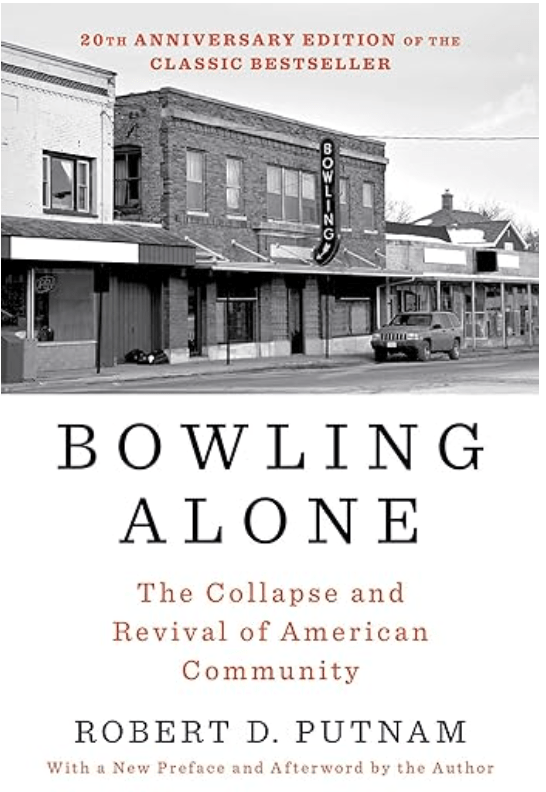
Bowling Alone: The Collapse and Revival of American Community, by Robert D. Putnam. A well researched tome about the loss of connection in our society. Reams of data demonstrating that connection has dropped in the last several decades, with a thinner section on why it might be happening. This book was published in 2009, and I think a modern update could be especially good reading if done right.
The Last Human Job: The Work of Connecting in a Disconnected World, by Alison J. Pugh. I heard Dr. Pugh speak about her work as part of The Relationship Project’s mini-book series. Her research indicates that real human connection is the critical thread that holds us all together as individuals and as a community. Unfortunately, it is often not appreciated or valued adequately and we are continuously trying to automate it away. Alison believes we will circle back to incorporate this necessary element into our lives in the future. I gues sonly time will tell, though.
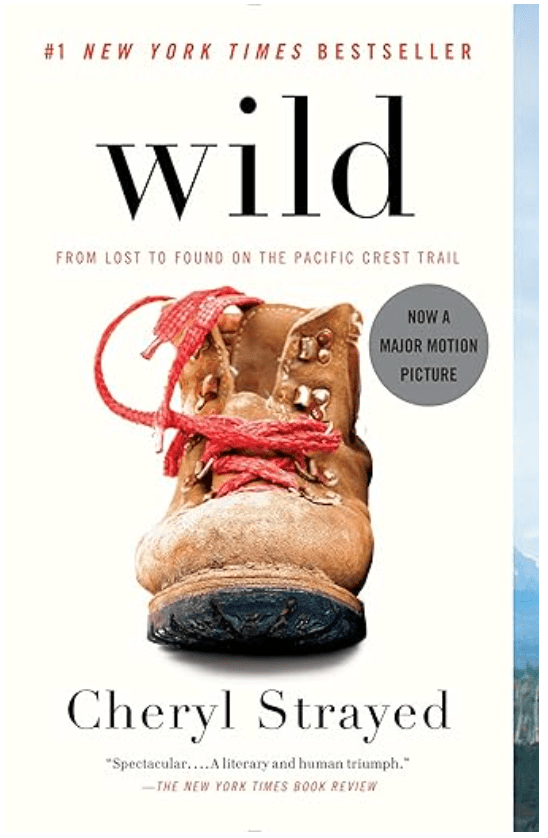
Wild: From Lost to Found on the Pacific Crest Trail, by Cheryl Strayed. I’ve recently discovered the magic that is a good memoir, especially when it involves a strong, but struggling, female main character and a literal journey. This book was a total win for me. Cheryl’s story of discovering her true self for the first time and of overcoming obstacles most of us couldn’t even imagine is set against the backdrop of the wilderness of the Pacific Coast Trail. Over the course of her journey, Cheryl learns to trust. To trust both others and to trust herself. It’s a lesson we all could learn.
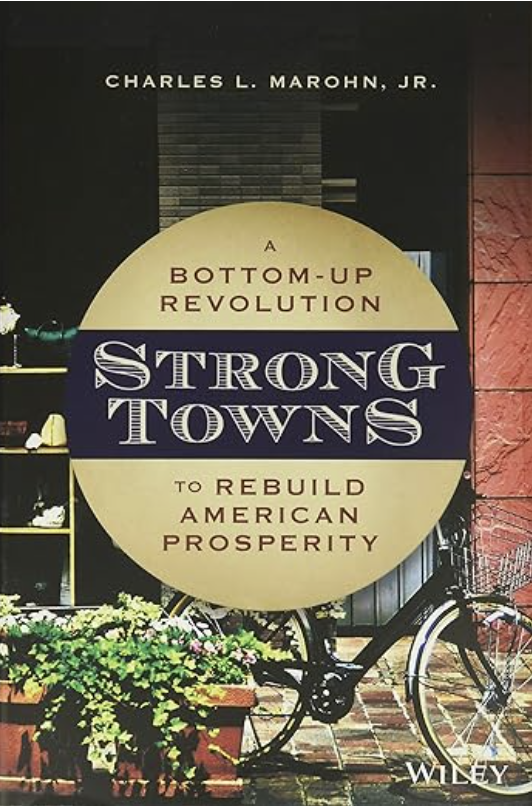
Strong Towns: A Bottom-Up Revolution to Rebuild American Prosperity, by Charles L. Marohn Jr. When a community member in my hometown started a “Civic Society” organized around the Strong Towns model, I decided to check out the book and was not disappointed. Mr Marohn explains how our continuous attention to community growth has led us to an unsustainable precipice whereby our communities must shrink in order to survive. The message is both dire and hopeful because while it demonstrates the difficult predicament we find ourselves in, it also encourages us to reclaim ownership of our communities through simple acts that we can all take to create social capital and a sense of place.
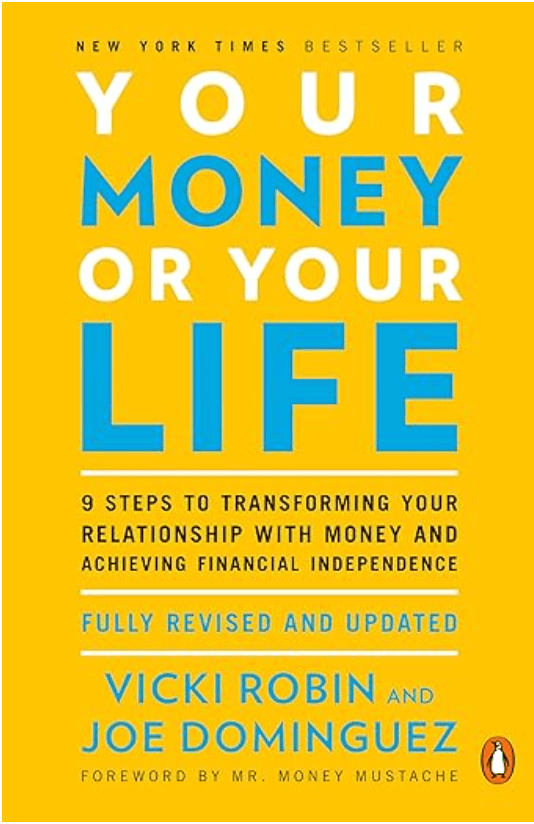
Your Money or Your Life: 9 Steps to Transforming Your Relationship with Money and Achieving Financial Independence, by Vicki Robin and Joe Dominguez. A friend who is big into financial independence shared this title with me. I was intrigued because I do believe most of us have a rather unhealthy relationship with money and tend to have or desire more than we actually need. I also think that part of why we feel like we have to stay trapped in jobs that suck the life and soul out of us is because we’ve allowed big business to convince us that we need all sorts of stuff that we actually don’t need at all (dog sweaters, anyone?). I appreciated the strategies outlined by the authors, the approachable and positive tone, and the clear guidance. If you’re also thinking it’s time to downsize, to spend less time keeping up with the Jones’ and more time keeping up with your own family and friends, you might enjoy this one, too.
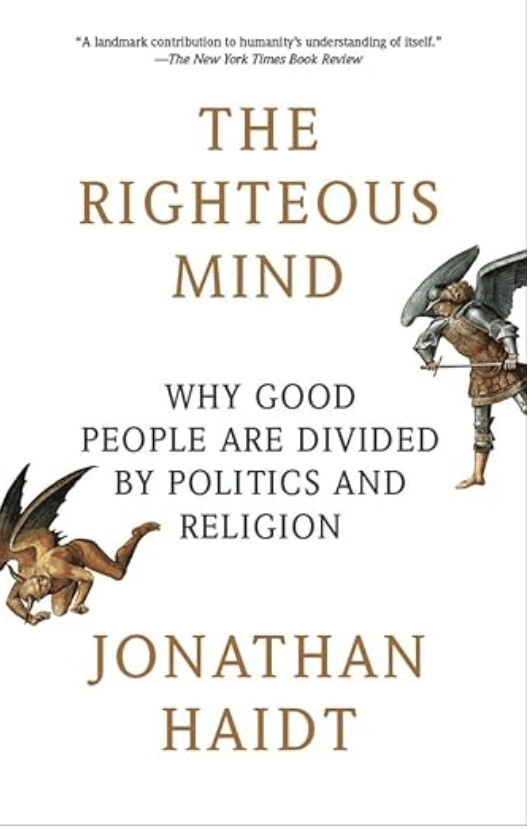
The Righteous Mind: Why Good People Are Divided by Politics and Religion, by Jonathan Haidt. I found this, one of Jonathan Haidt’s earlier books, absolutely fascinating. You might know Mr. Haidt more for his recent work making visible the harmful effects of technology on human beings, and especially our children, but before he did that he did extensive research into why seemingly sane and reasonable people can disagree so vehemently on what seem like fairly straight-forward issues. It has to do with our value systems. And interestingly, at least one political party has figured out how to leverage them. The other one? Not so much.
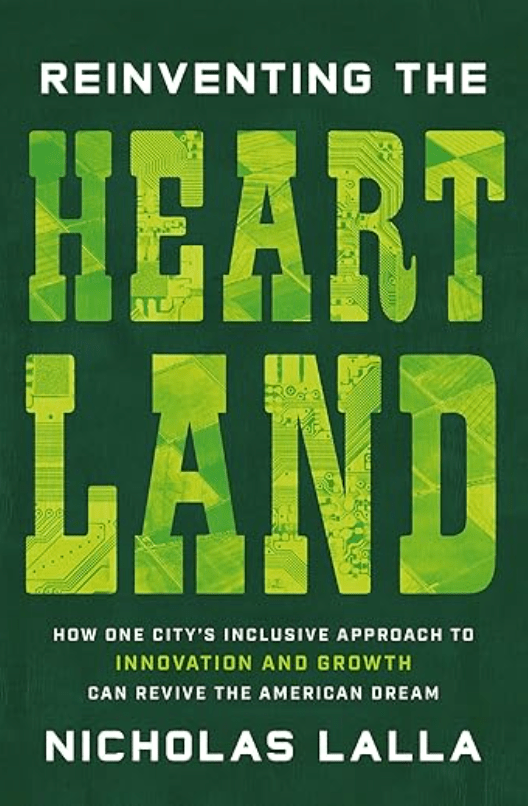
Reinventing the Heartland: How One City’s Inclusive Approach to Innovation and Growth Can Revive the American Dream, by Nicholas Lalla. A super interesting read about Mr. Lalla’s experience doing community development work in Tulsa after first having done similar work in New York City. He learned through experience that community development is different in a smaller, less prosperous community, and that he needed to listen harder to his local partners. He also learned that innovation, experimentation, and collaboration across divides were keys to success. A good read for anyone interested in how to rejuvenate a once-powerful community that finds itself struggling in the aftermath of the extractive business practices of the late 1900s.
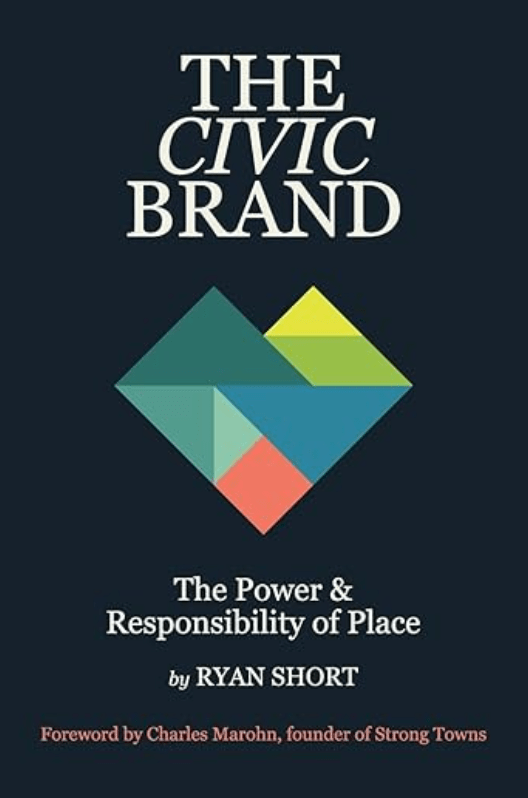
The Civic Brand: The Power & Responsibility of Place, by Ryan Short. This one takes a comprehensive approach to community branding. Rooted in Human Centered Design, the model Mr. Short describes emphasizes, collaboration over siloed departments, strategic vision over reactive tactics, and outcomes over outputs. It’s a logical approach to those of us who cut our teeth in the tech industry, but a challenge to implement in resource-strapped, scarcity-focused communities. It’ll require letting go of our fears and taking a risk on something entirely different.
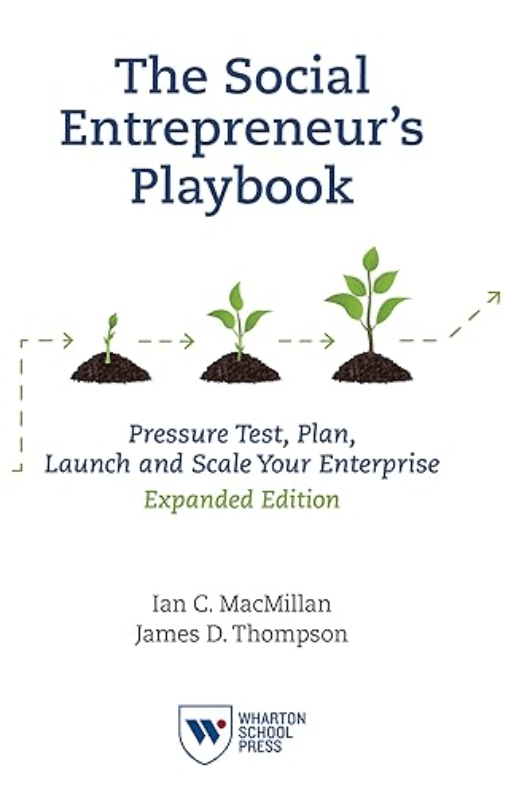
The Social Entrepreneur’s Playbook, Expanded Edition: Pressure Test, Plan, Launch and Scale Your Social Enterprise, by Ian C. MacMillan. I am admittedly biased, but I love the concept behind this book. Basically, the author suggests that we apply the iterative, experiment-driven approach that has served the tech industry for years to businesses designed to deliver social good. It mixes two of my biggest loves — an agile way of working and organizations that contribute positively to their communities. There is such opportunity for this sort of approach right now, that even though this one was published in 2013 I think now is the perfect time to revisit it.
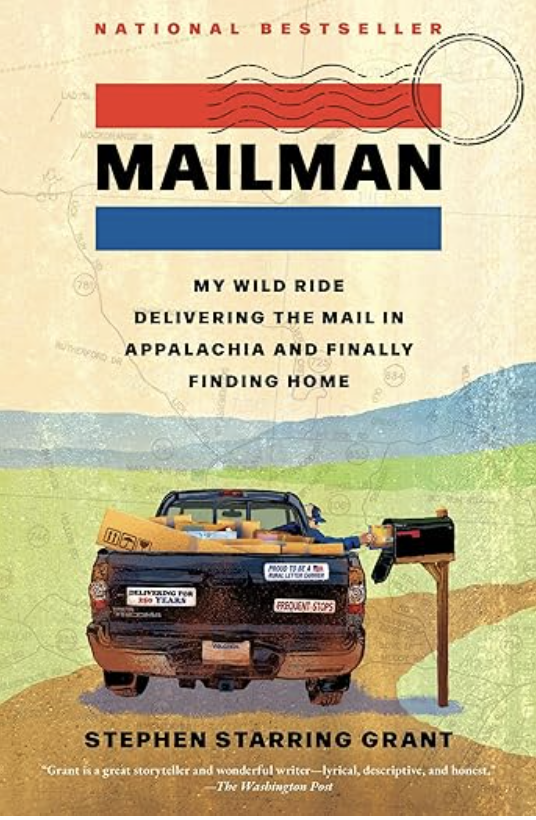
Mailman: My Wild Ride Delivering the Mail in Appalachia and Finally Finding Home, by Stephen Starring Grant. The true story of a marketing consultant who lost his cushy NYC gig during the pandemic and returned to his home in the Blue Ridge Mountains of West Virginia to deliver mail. Told with humility, wit, and humor, this book explores the value of hard work, family, and community juxtaposed against the harsh realities of a global pandemic, an economically distressed region, and a collapsing postal system.
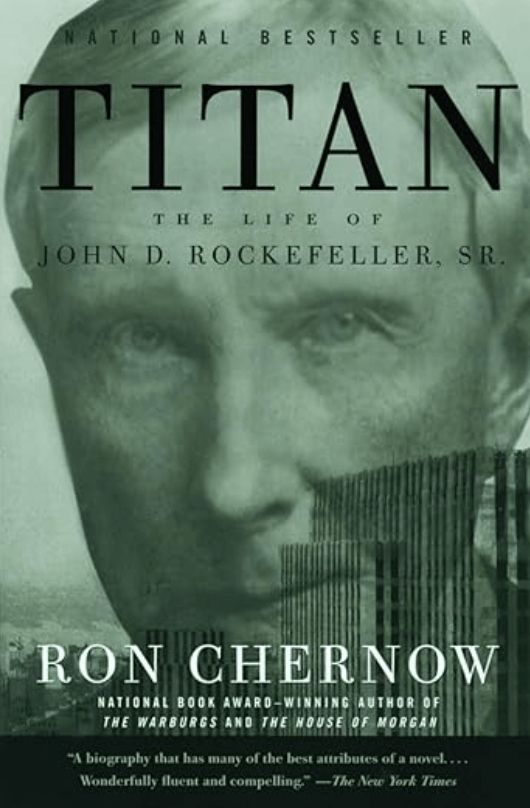
Titan: The Life of John D. Rockefeller, Sr., by Ron Chernow. A riveting biography about the Guilded Age giant who pushed Standard Oil to its place atop the US economy. Honestly I hesitated to even start this one because, at 832 pages, it was daunting, but it really did hold my attention throughout. A good biography explores all of the angles of a person, warts and all, and that’s what I loved about this book. That and the fact that I learned the chaos we’re living through right now actually has happened in the past, as recently as a century ago.
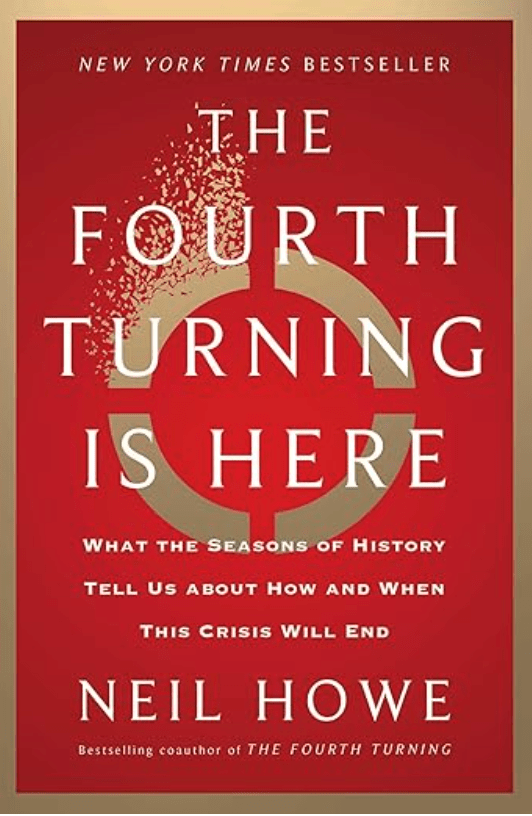
The Fourth Turning Is Here: What the Seasons of History Tell Us about How and When This Crisis Will End, by Neil Howe Which brings me to The Fourth Turning. When I wake up at 2am, heart pounding about whatever fresh he** our modern robber barons have unleashed on society, it helps to know this is all part of a cycle, one that repeats itself about once every century. The question is what we’ll do about it, and when.
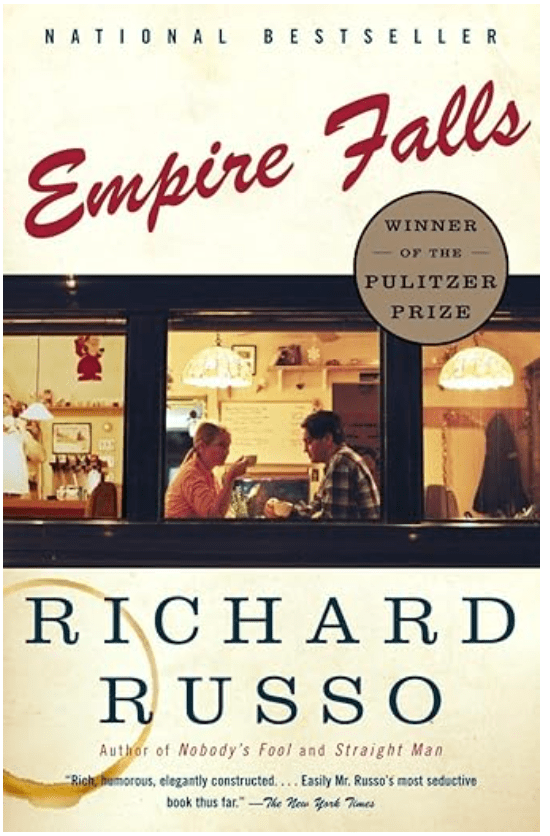
Empire Falls, by Richard Russo. The fictional story of a middle-aged man stuck in his failing post-industrial hometown. What’s the right thing to do when your community is in decline? What invisible strings tie you to a place, a job, and a life that might not be best for you? And what will make you finally step out of your bubble to do something different?

