
If you’ve seen my talk or been following my work with a cross-functional cohort of nonprofit and public sector leaders who are attempting to break the cycle of poverty in a small, midwestern community, you might be interested in learning how you could apply this way of working in your neck of the woods.
If so, read on, as I’ve compiled a list of suggested books that you might find useful and interesting as you embark on this path.
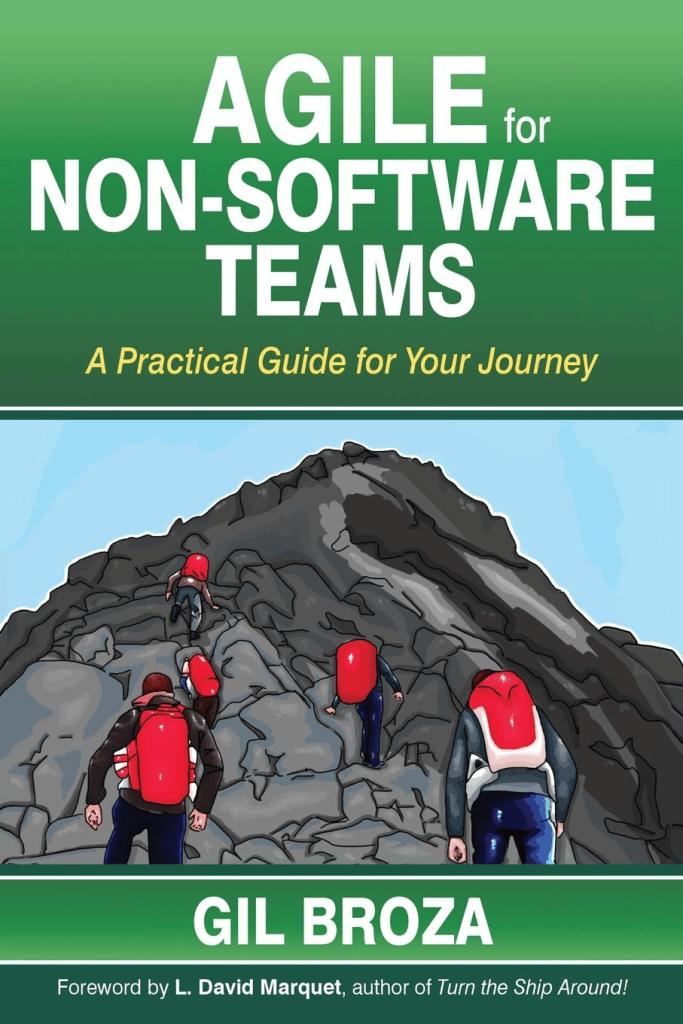
Agile for Non-Software Teams: A Practical Guide for Your Journey by Gil Broza
A down-to-earth approach to applying the agile framework in non-software development environments. It gives a solid overview of agile and then goes on to explain how you can best use the values, principles, and techniques in any environment where complex problems need to be addressed.
Built to Last: Successful Habits of Visionary Companies, by Jim Collins
A follow up to Jims previous book, Good to Great, this one identifies common traits and practices of several companies that have managed to sustain themselves as resilient, thriving organizations over time. The concept of the BHAG is covered in this book.
Bridges Out of Poverty: Strategies for Professionals and Communities, by Ruby K. Payne, Philip E. DeVol, and Terie Dreussi-Smith
A systemic approach to addressing the root causes of poverty, including guidance for the cross-sector and cross-sectional group of necessary participants in the process of breaking the cycle of poverty. Also provides an enlightening look into the underlying causes of generational poverty, and discusses how we might address them.
Who Does What By How Much?: A Practical Guide to Customer-Centric OKRs, by Jeff Gothelf and Josh Seiden
A practical approach to OKRs (Objective and Key Results) written for a broad, non-software development audience. Objectives and Key Results are a goal-setting framework with an emphasis on improved business outcomes through a positive change in customer behavior. The originated in the Technology sector but have since been applied more broadly.
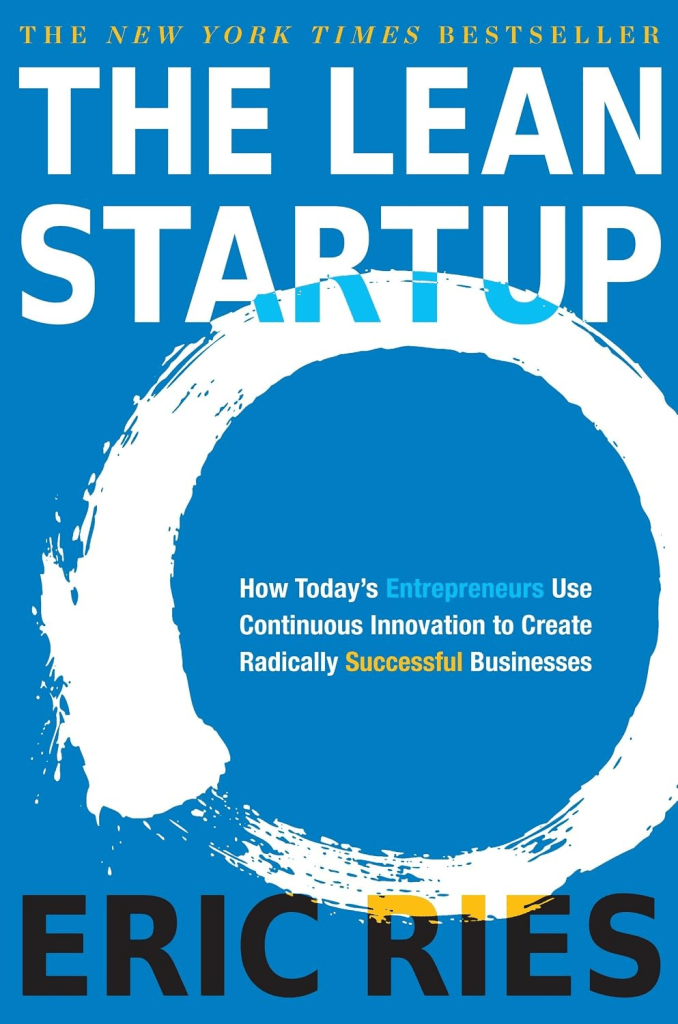
The Lean Startup: How Today’s Entrepreneurs Use Continuous Innovation to Create Radically Successful Businesses, by Eric Ries
An approach to developing solutions to complex problems grounded in experimentation, fast feedback, and rapid learning. Ries’ book shares practical ways to apply an iterative and incremental approach to product (and service) development. Includes the most commonly used definition for a “Minimally Viable Product” (MVP).
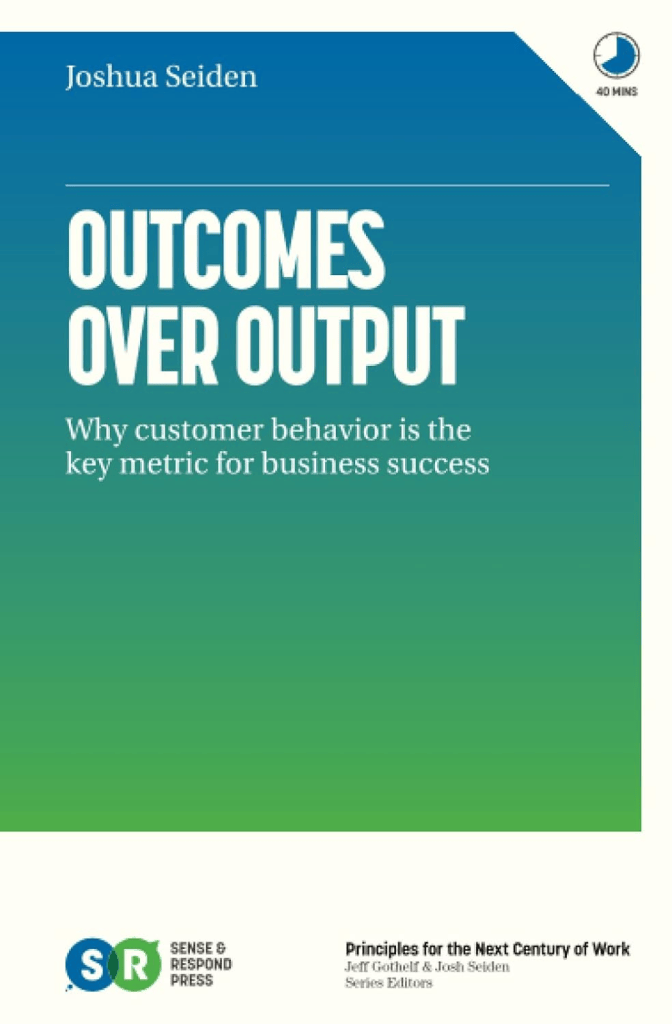
Outcomes Over Output: Why customer behavior is the key metric for business success, by Joshua Seiden
Explains that “success” for a complex problem is not the completion of a project, but rather and change in customer behavior. Covers the principles upon which the Objectives and Key Results goal-setting approach are built. A precursor to Seiden and Gothelf’s later book, “Who Does What by How Much.” A quick and insightful read.
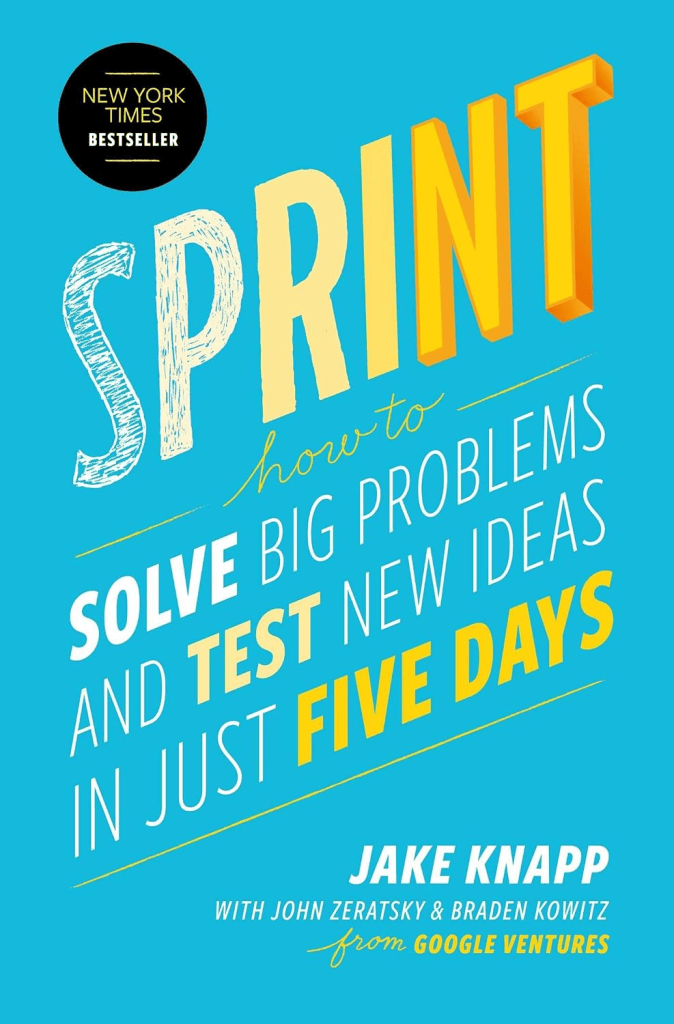
Sprint: How to Solve Big Problems and Test New Ideas in Just Five Days, by Jake Knapp, John Zeratsky, and Braden Kowitz
Provides a model for rapid, iterative, and incremental product development designed to solve a complex problem. Written for a product development audience, but equally applicable in any environment where complex problems occur.
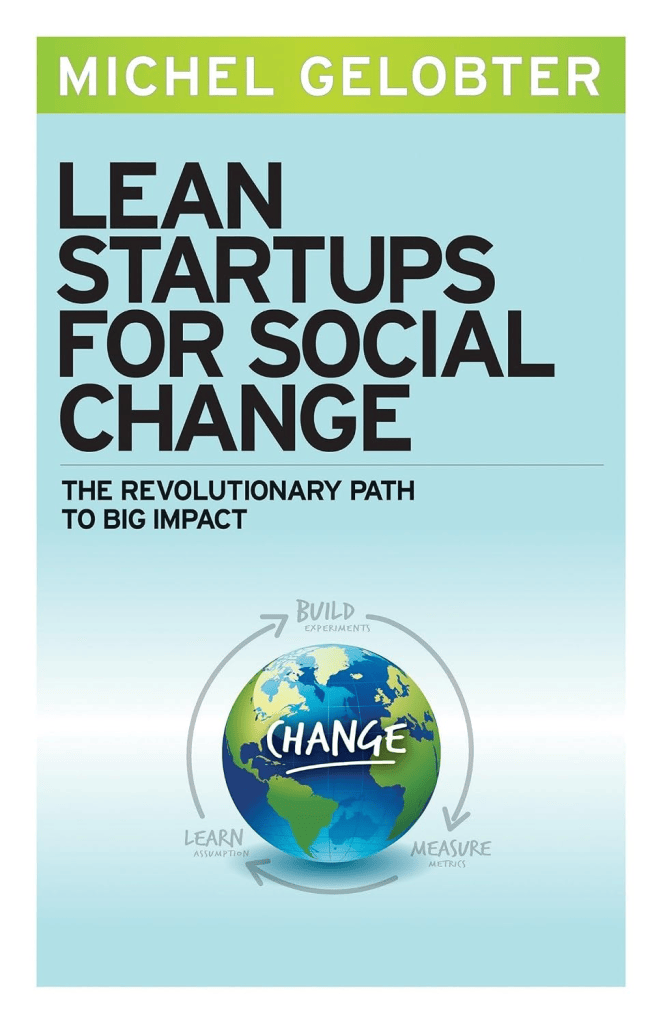
Lean Startups for Social Change: The Revolutionary Path to Big Impact, by Michel Gelobter
Applies the concepts developed by Eric Reis in his book Lean Startup to the nonprofit, public sector, and social entrepreneurship spaces. Using a number of real world examples, demonstrates how these organizations can use their limited funds more effectively and put more good out into the world.
The Social Entrepreneur’s Playbook, Expanded Edition: Pressure Test, Plan, Launch and Scale Your Social Enterprise, by Ian C. MacMillan, and James D. Thompson
Provides a three-step process through which social entrepreneurs can test, launch, and scale their organizations. Grounded in the lean startup approach, this describes how to run an experiment designed to validate that the social enterprise you wish to stand up will succeed both financially and in improving public outcomes.
Agile Retrospectives, Second Edition: A Practical Guide for Catalyzing Team Learning and Improvement, by Esther Derby, and Diana Larsen, and David Horowitz
One of the 12 principles of the Agile Manifesto, and arguably one of my favorites, is “At regular intervals, the team reflects on how to become more effective, then tunes and adjusts its behavior accordingly.” Known as retrospectives, these discussions give the team a regular cadence and format within which to inspect, adapt, and continuously improve. Now in it’s second edition, this classic book provides a solid foundation upon which to build your team’s retrospective practice.

