“… almost half of AI-using teens said they would use chatbots less for friendship or social advice if there were more places where they could hang out or connect in person.”
I read a LinkedIn post by Jennifer Heifferon recently about research she and her colleagues did with teenagers around AI, electronics, and meeting in real life. And it really got me thinking about our kids. Because I know the situation is pretty dire for all of us when it comes to third spaces, socialization, and our sense of community, but it really struck me as I read her piece that we’re setting up a whole generation for a life of loneliness, isolation, and addiction.
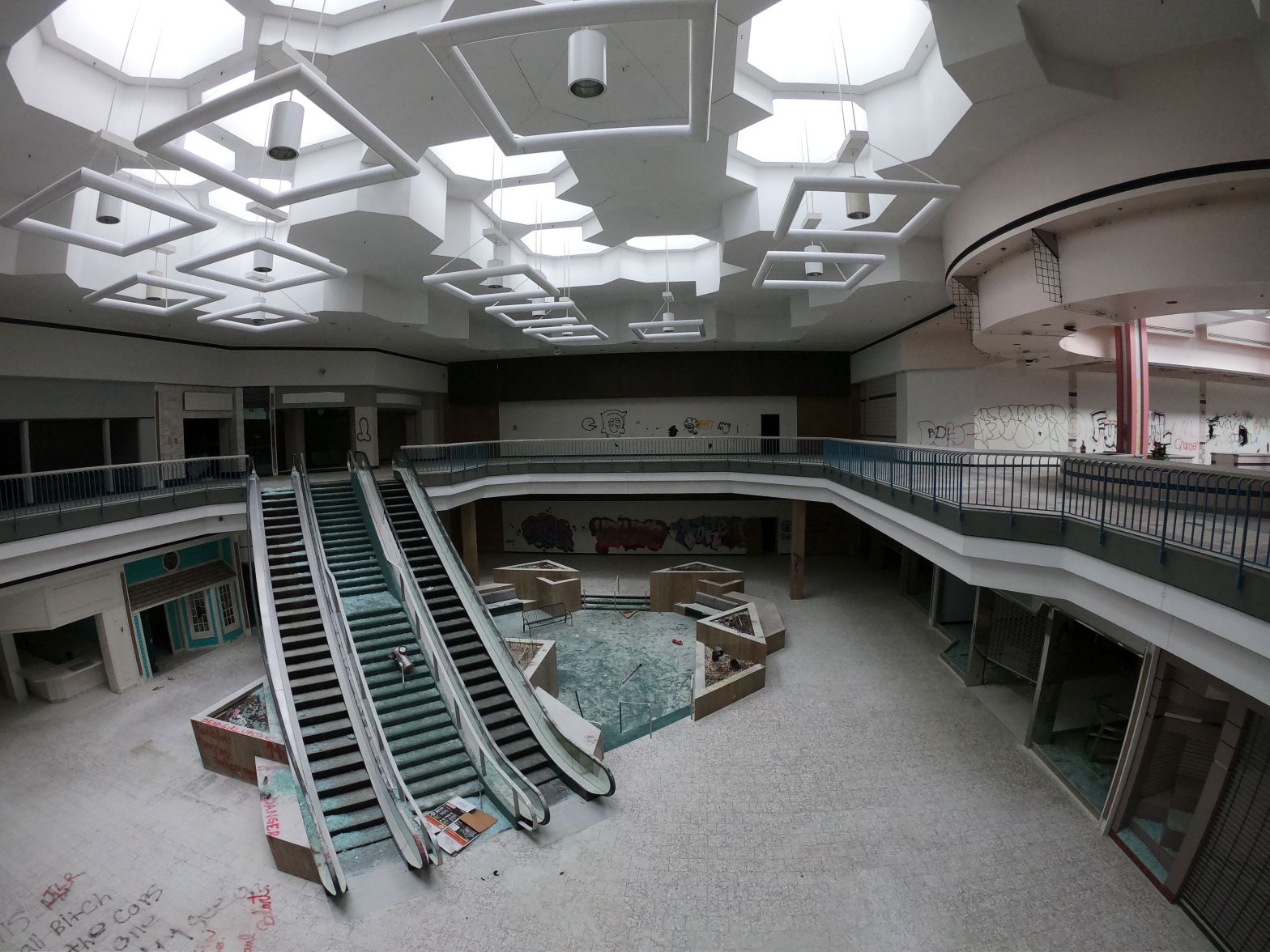
Remember your teen years? Where did you hang out? For me and most of my Gen-X peers it was the mall. A Hot Sam in one hand and a Orange Julius in the other, we wandered the pastel-colored, halls, past the splashing splashing and shiny balconies like we owned the place. Drooling over the newest CDs at Record Town, getting free perfume and makeup samples in the anchor department store, using our spare change to buy candy at Woolworths and then shoving it into our coats and purses so we could sneak it into the dollar movie theater. We were in our element. And whether we realized it or not, we were learning how to exist in a society.
Teens need places to just be. To interact with each other, to learn how to socialize, to develop their own sense of self, their likes, dislikes, and personalities, their skill in resolving disputes and in building relationships.
Where can teens go today for the same effect? I sometimes see them wandering around in Walmart or nursing a sugary coffee at Starbucks. The rural high school boys in their dually pickups spend their mornings before school in the parking lot at the gas station. But mostly I don’t see them out much at all. If they’re not in school or practicing or playing at some sort of organized sport or extracurricular activity, I think most of them are in their bedrooms playing video games or frantically scrolling social media.
And honestly? I’m not sure where else I would expect them to go. Our malls are predominantly abandoned and a movie will cost you twenty bucks. Our roller skating rinks, bowling alleys, arcades, and skate parks are all closed. Many of our parks are pretty rough around the edges and if teenagers are found “loitering” there, they’re quickly disbanded by the local public safety officers. The cheapest fast food meal will run you at least $10 and a coffee is not far off. Assuming they can even find a job, it won’t buy many of those. If they can afford a car and insurance, there’s really little incentive to get a license because gas prices are outrageous and, after all, where would you drive to?
I asked my teenage son a while back what he sees himself doing in his spare time in college and as a young adult. He couldn’t imagine it. He really struggled to come up with something.
It’s times like these that I feel like we’re failing our kids. Based on Heifferon’s research, it doesn’t sound like it would take much to overcome the pull of the online/virtual third space. All we would need to do is make it affordable and safe and maybe offer something to do or a little food. Our kids are really not asking that much of us. It seems that we should be able to fulfill this basic need of adolescence.
What would you build in your community to fill this need if you had all the time and resource in the world? Or better yet, what would you build if you had limited resources and time? Because a third space doesn’t need to be expensive or complex to meet the needs of our teenagers. It could be as simple as a coffee bar in the library, a few basketballs at the park, or a couple of board games at the local McDonalds.
Our kids deserve at least this much from us. And we deserve it too.
You can read more about Heifferon’s research here: https://www.linkedin.com/pulse/teens-dont-want-more-screen-time-somewhere-go-jennifer-heifferon-elxxc/

