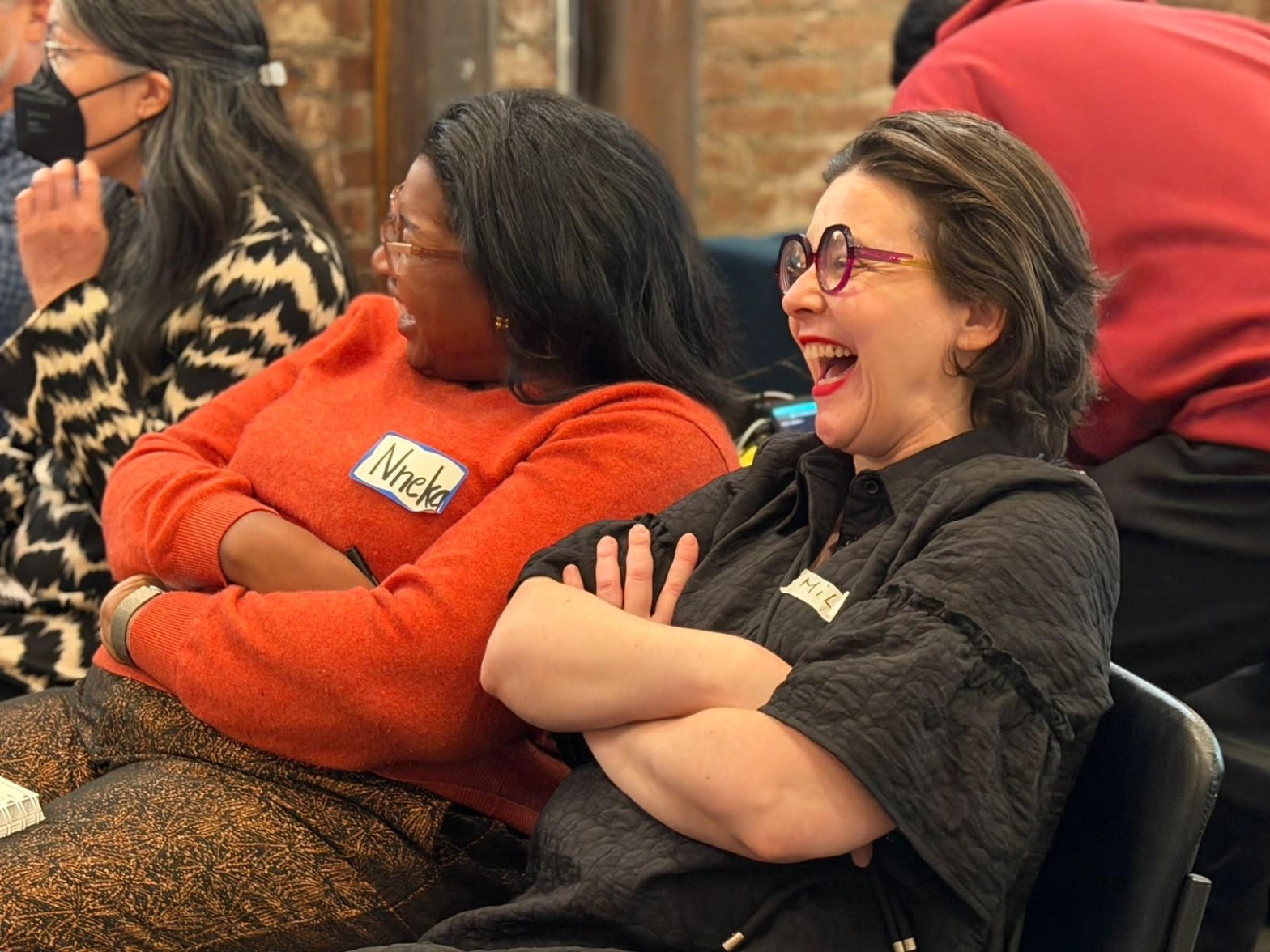
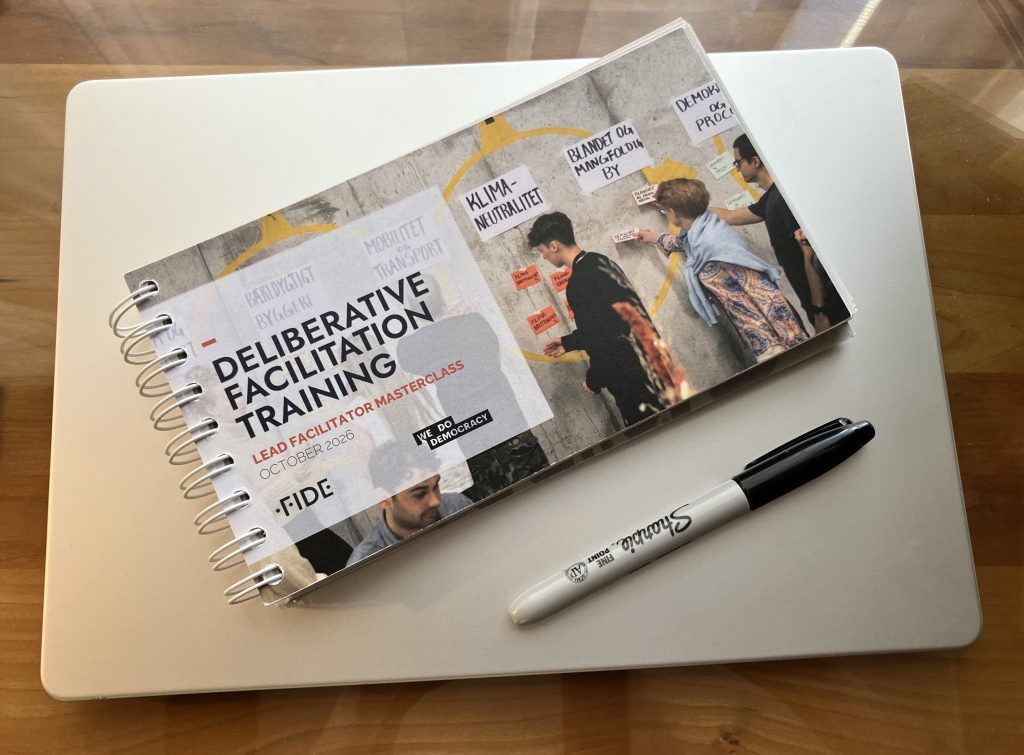
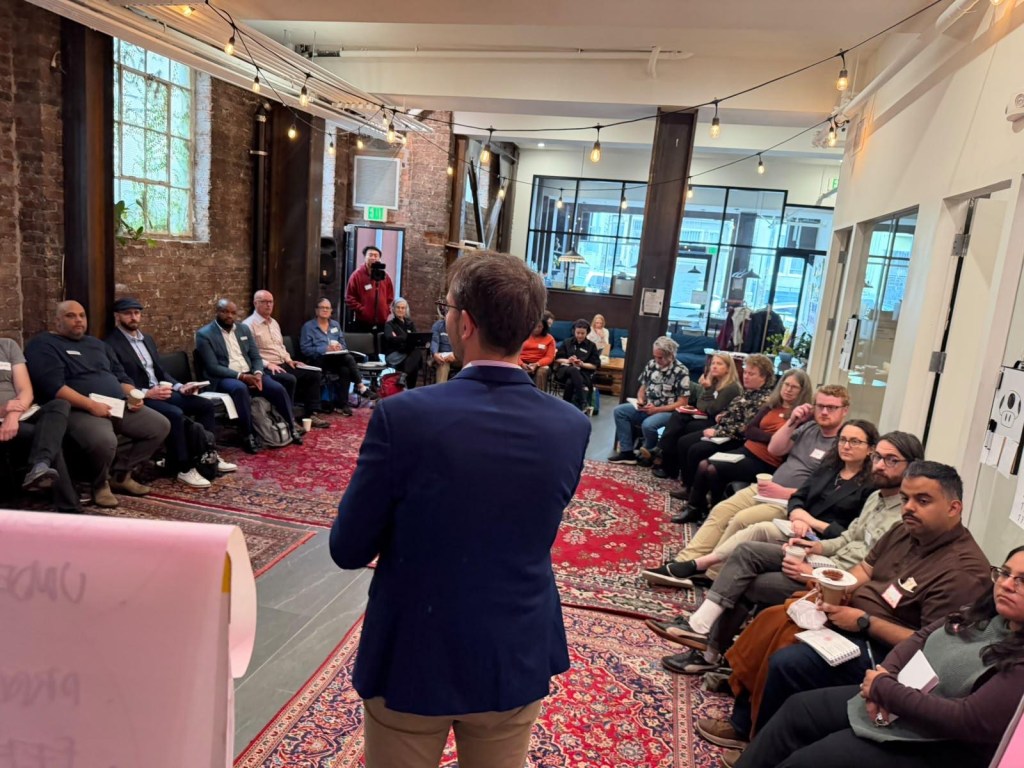
OMG, you guys! I just got back from the most amazing training program. Hosted by FIDE North America in San Francisco and run by expert lead facilitators Zakia Elvang, Executive Director of We Do Democracy and Jacob Birkenhaeger, Managing Director at Nexus Institute, this jam-packed three-day program taught me and my cohort of nearly 30 facilitators, community improvement experts, and democracy supporters to lead Civic Assemblies in our communities and across North America.
What is a Civic Assembly?
If you remember my posts from earlier this year about my work with Unify Akron (here and here), you’ll recall that a Civic Assembly, sometimes also called a mini-public, is a series of sessions where a representative group of community members meet to deliberate on topics important to the community, arrive at a plan, and then share it with their elected officials for consideration and implementation.
Guided by a lead facilitator trained in designing and leading deliberative democracy, and typically supported by a cross functional team of topic experts, project managers, social support, sometimes table facilitators, and more, the group of residents deliberates on the remit, builds recommendations, consolidates the list of recommendations into a proposal, and then submits it to their government. In some instances, the work continues after this though “impact teams” that work with the government to implement the proposal.
What did you do?
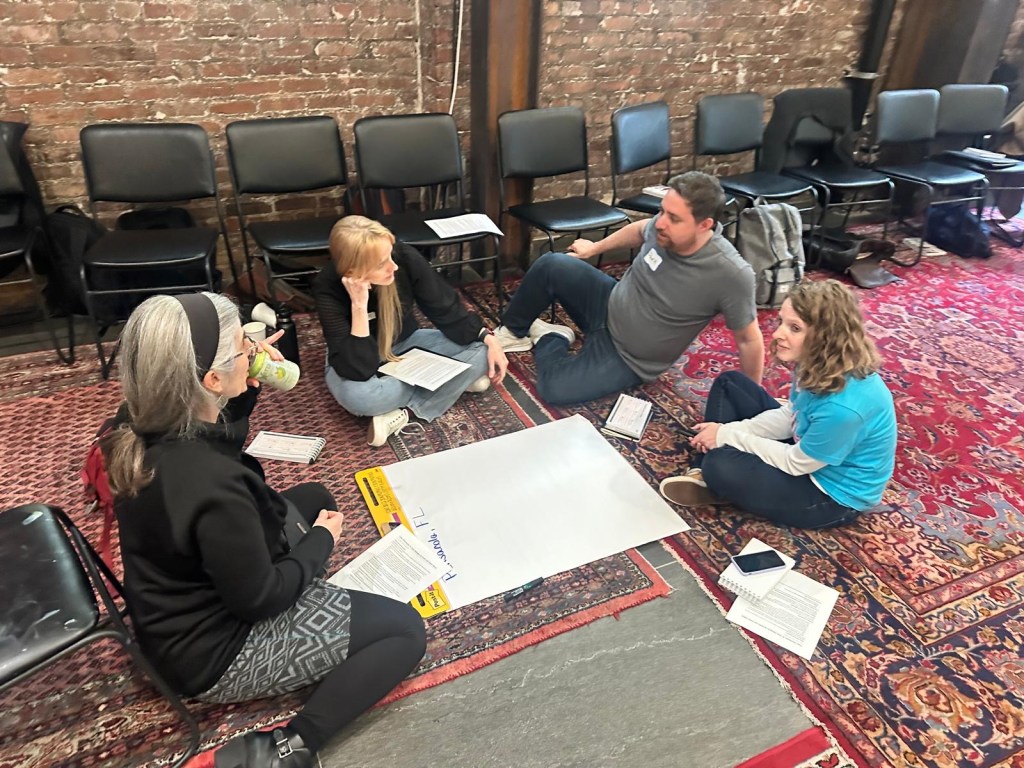
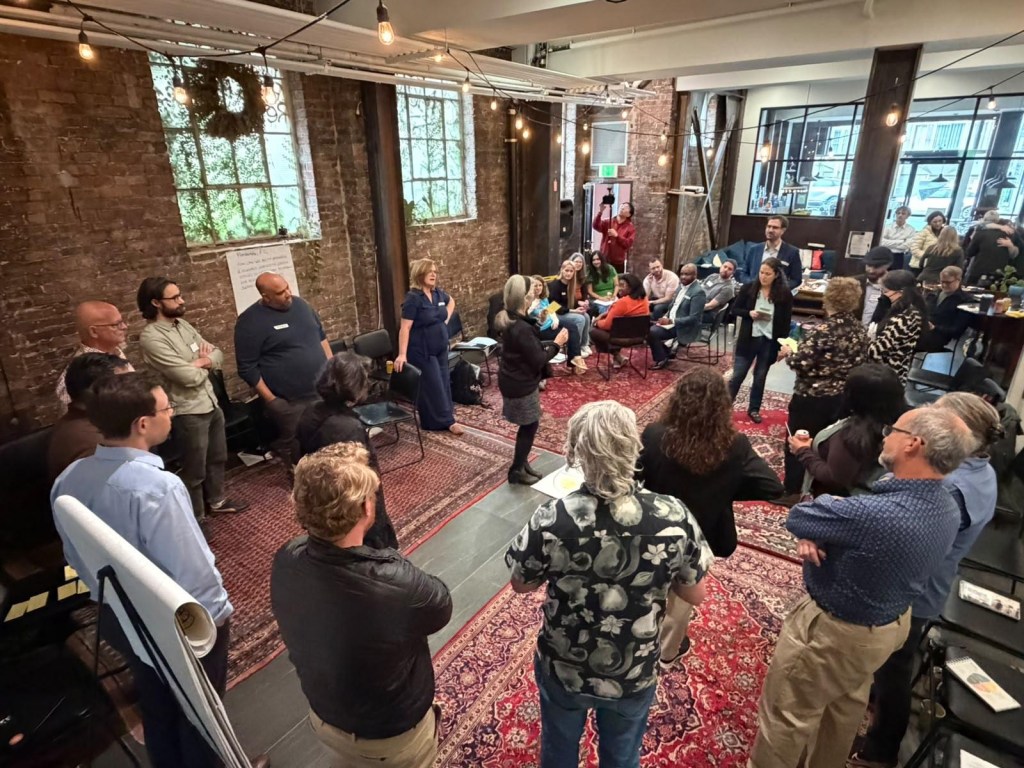
This was FIDE’s most advanced offering, their Lead Facilitator Masterclass, so we were prepared to run an entire civic assembly from soup to nuts. We covered everything from the macro design, to micro design, facilitation, project leadership, knowledge curation, and communication. And we didn’t just learn, we DID. It was a rigorous three days, but it did not feel that way because the lessons and work were so inspiring. My favorite part was when we split into small groups to design an entire civic assembly based on a real-world use case. Then delivered a small portion of it, using our cohort members as our assembly members. Afterwards we critiqued each others’ work. It. was. amazing. I can’t even begin to explain to you the value of this exercise and the following critique.
Who was there?
The cohort was made up of representatives from a diverse group of public service and nonprofit organizations, as well as a few independent consultants like me, all with a drive and desire to see silos busted, communities strengthened, and community-led democracy preserved.
We were also very lucky to have two of the world’s most seasoned and talented deliberative facilitators on hand to guide our work. It was amazing to see Zakia and Jacob in action as they facilitated our cohort, guided us through the exercises, and most importantly, shared their experiences over their combined decades designing and facilitating these types of events.
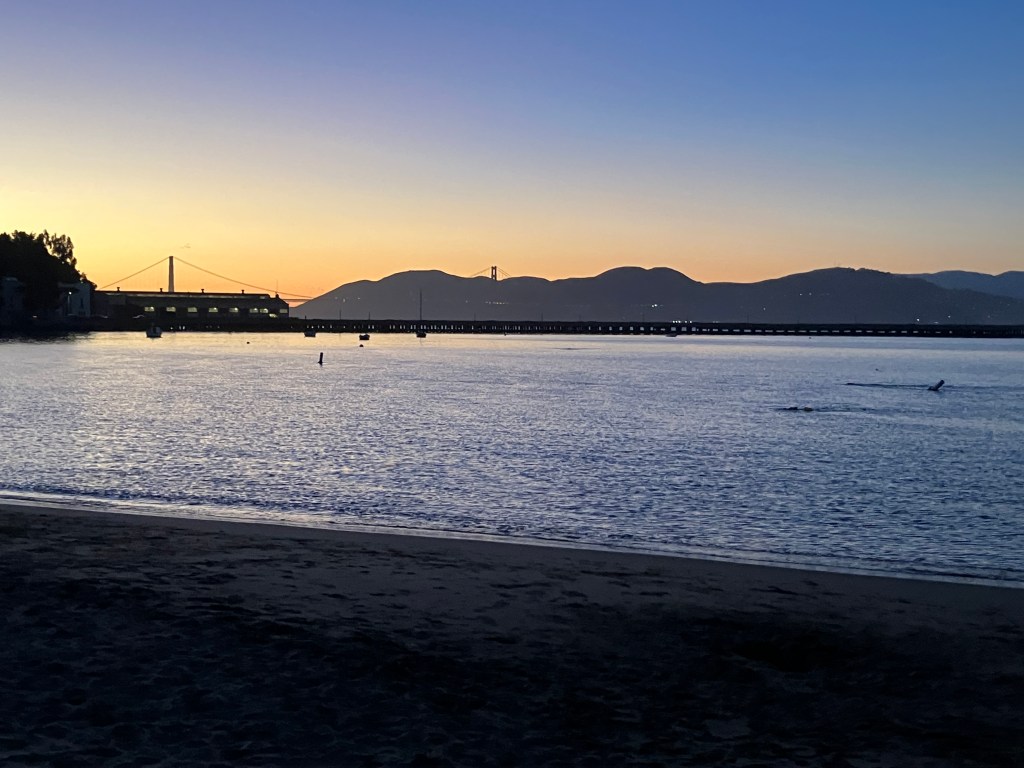
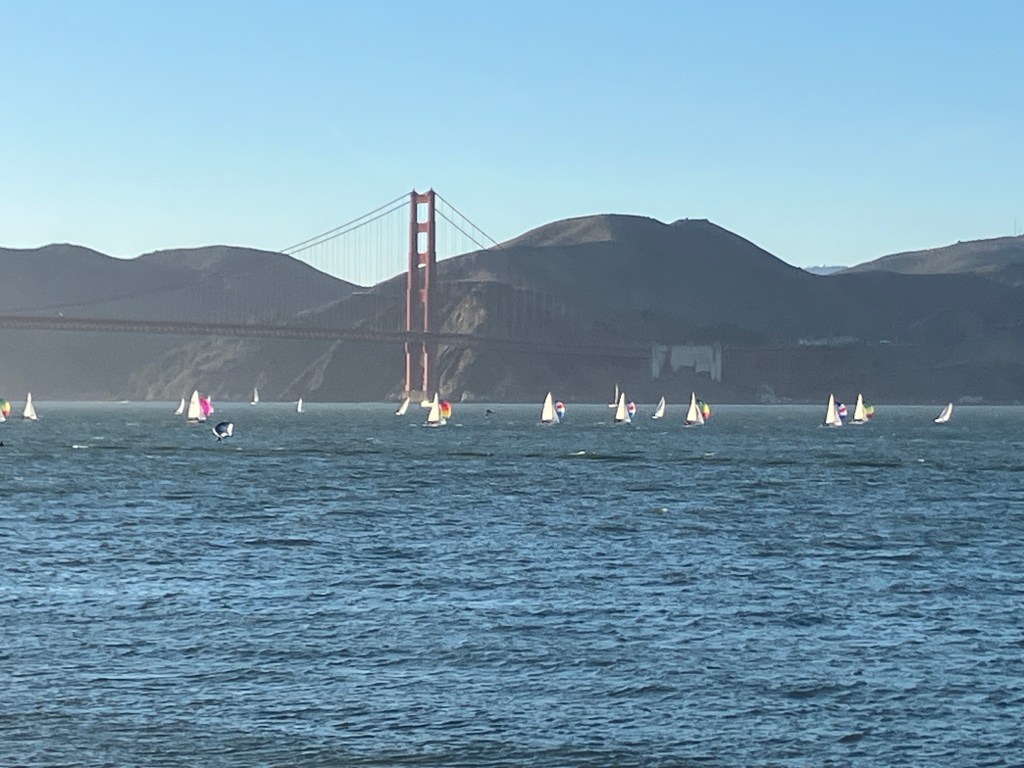
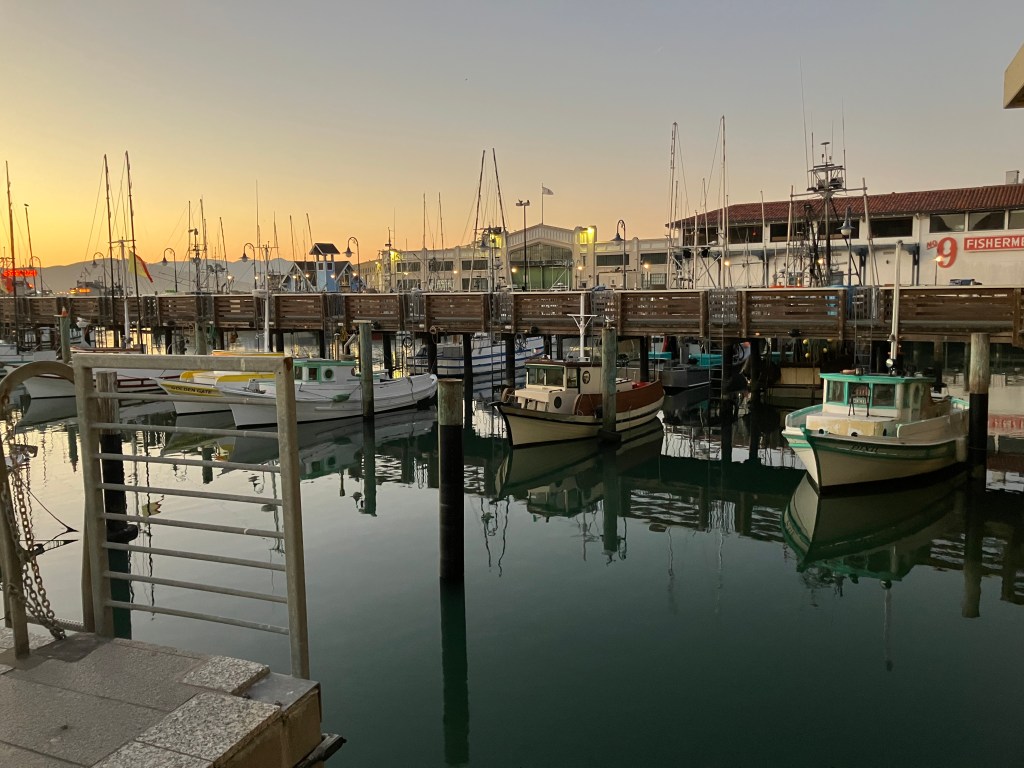
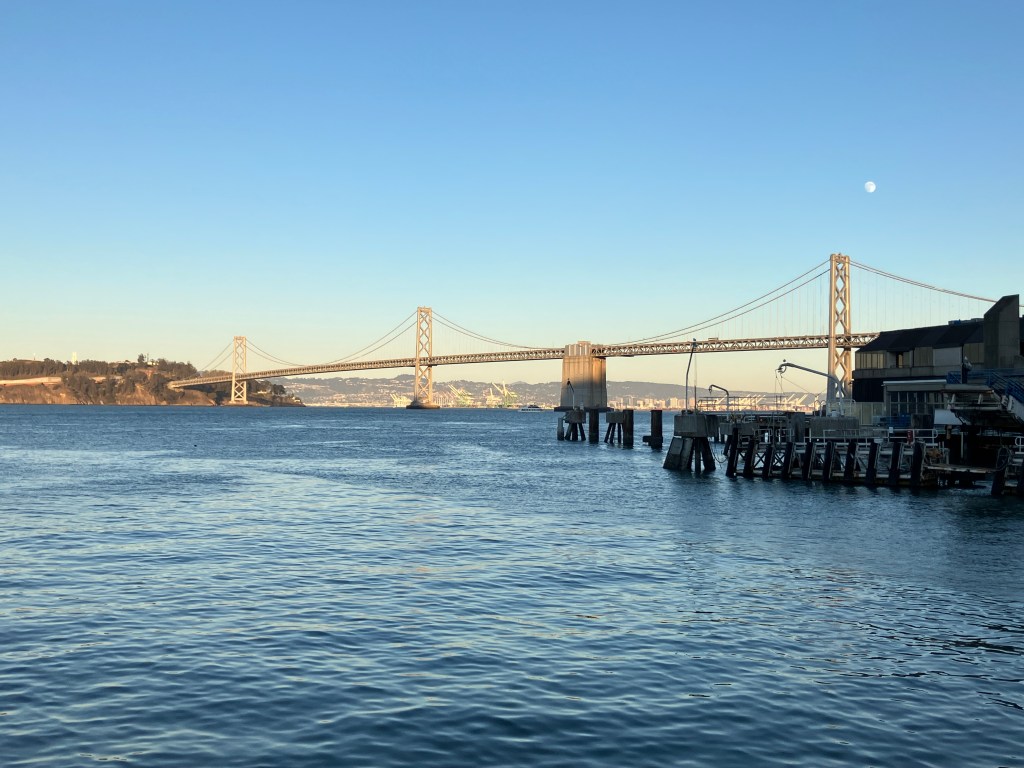
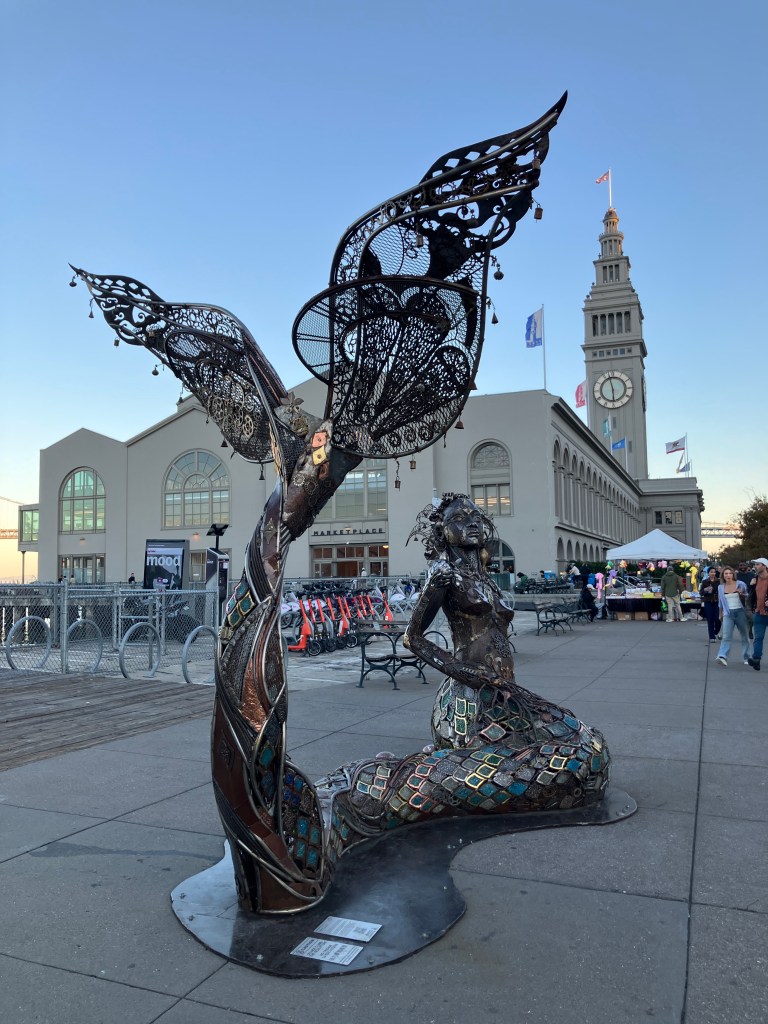
The location was nothing to sneeze at either. I’d never been to San Francisco and was pleasantly surprised by … well, mostly everything. Public transit, restaurants, sites, waterfront, weather, even my hotel, it was all quite pleasant.
Thinking back on this experience, I am so grateful for the opportunity to learn and grow with this amazing group of humans! I left feeling tired, yes, but also energized and hopeful. I feel ready to tackle the lead facilitator role and also super interested in learning more about this craft from others in the field. I plan to continue to seek deliberative facilitation work and aspire to bring it to the communities in my region. Because we all deserve to have a say in how our communities are run and we all have a responsibility to help enact the type of change we want to see.

